The Seasonal Menu: How Chefs Celebrate Ingredients at Their Peak
In a world where supermarkets offer strawberries in December and squash in July, the culinary philosophy of seasonality is a conscious, beautiful rebellion. For chefs who build their menus around the rhythm of the seasons, it is a practice rooted in respect—for ingredients, for local producers, and for the innate desire to eat in harmony with nature. A seasonal menu is not a constraint, but a catalyst for creativity and a promise of flavor at its most vibrant and potent.
The drive for seasonality begins long before a dish is plated. It starts with the chef's relationships with local farmers, fishers, and foragers. These partnerships are built on trust and communication, with growers providing harvest forecasts and chefs planning their evolving menus accordingly. This direct pipeline ensures ingredients spend less time in transit, arriving at the kitchen door with their sugars, acids, and textures at an absolute peak, often harvested just hours before.
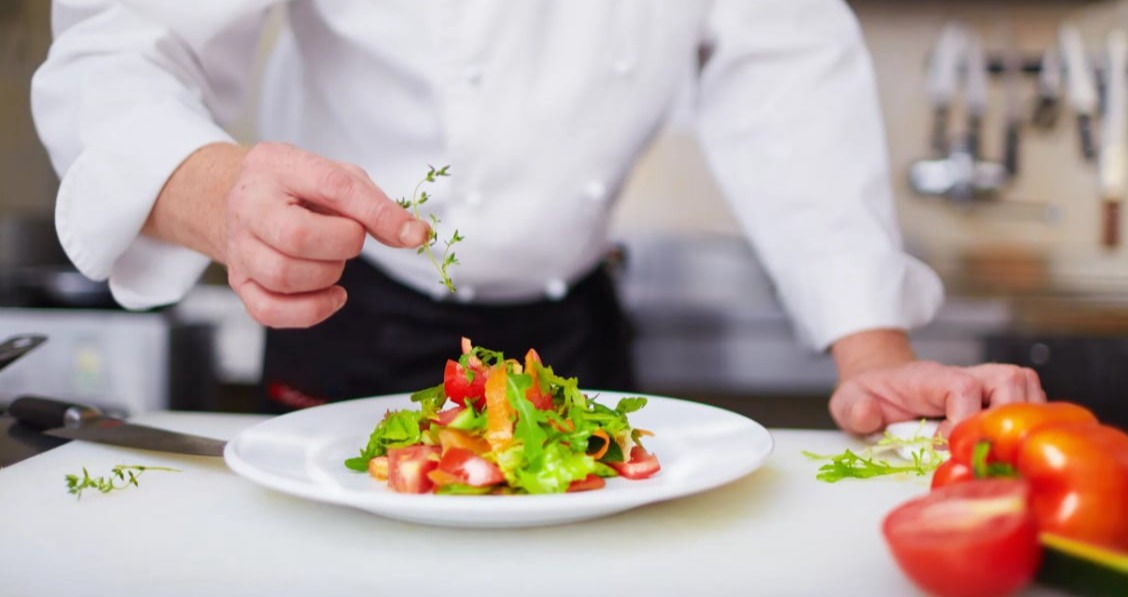
When an ingredient is truly in season, it requires less manipulation to shine. A sun-ripened August tomato needs little more than a sprinkle of salt and a drizzle of olive oil to become a masterpiece. A spring morel mushroom or a wild ramp carries a complexity of flavor that no greenhouse can replicate. Chefs act as curators, designing dishes that showcase these intrinsic qualities. The cooking becomes simpler, more ingredient-forward, allowing the natural story of the produce to be the star.
This practice demands constant innovation and flexibility from the culinary team. A seasonal kitchen is a dynamic workshop where menus may change weekly or even daily. When a farmer delivers an unexpected bounty of perfect zucchini blossoms or the first sweet corn of the year, the chef and cooks must pivot, experimenting with techniques to highlight this fleeting gift. This spontaneity keeps the kitchen staff engaged and results in truly unique, "you-had-to-be-there" dining moments.
For the diner, a seasonal menu offers a delicious connection to time and place. Eating asparagus in spring, tomatoes in high summer, apples in fall, and root vegetables in winter creates a flavorful calendar. It fosters anticipation—the first pea tendrils of the year taste like a celebration. It also brings a welcome variety to our diets, naturally encouraging us to consume a wider range of nutrients throughout the year as different crops come into rotation.
Ultimately, embracing the seasonal menu is a holistic approach that benefits the entire ecosystem. It supports local agriculture and reduces the environmental footprint associated with long-distance food transport. It challenges chefs to be at their most creative and rewards diners with unparalleled taste experiences. In every bite of a perfectly in-season ingredient, you taste the sun, the soil, the rain, and the careful hands that brought it to your plate—a profound reminder that the best flavors are those that nature itself has timed to perfection.