The Unsung Heroes: A Tribute to Classic Diners Around the World
In the ever-evolving landscape of global dining, where concepts come and go with the seasons, the classic diner stands as a steadfast monument to consistency, comfort, and community, where concepts come and go with the seasons, the classic diner stands as a steadfast monument to consistency, comfort, and community. With its gleaming stainless steel exterior, booths with worn patina, and the comforting scent of coffee and grilled potatoes, the diner is more than a restaurant—it's a cultural touchstone, a democratized space where everyone, from truckers to students to families, is welcome at any hour.
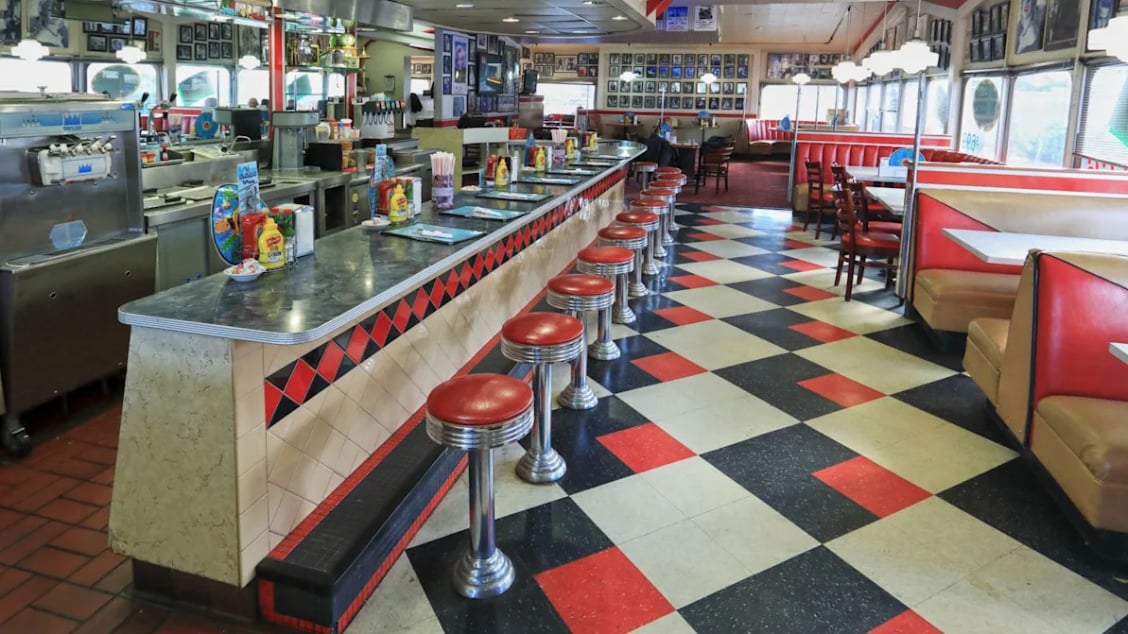
The architecture itself tells a story of mobility and optimism. Many classic diners were prefabricated structures, ordered from catalogs and delivered by train in the mid-20th century. Their streamlined, metallic design was a symbol of modernity and efficiency. Stepping inside is a step back in time: the long counter with swiveling stools offers a front-row seat to the ballet of the short-order cook, the pie case gleams under its own light, and the jukebox, whether functional or decorative, hints at a simpler era of entertainment.
The menu is a testament to abundance and familiarity. It’s a document where you can find anything from pancakes at midnight to a meatloaf dinner at noon. The dishes are classics not because they are avant-garde, but because they are deeply satisfying and executed with a specific, time-honored skill. The perfect crispy-edged patty melt, the creamy, lump-free turkey gravy, the bottomless cup of diner coffee—these are comforts built on repetition and a deep understanding of what people crave.
The social role of the diner cannot be overstated. It functions as an informal town hall, a place where news is shared, deals are made, and loneliness is abated by the simple presence of others. The counter staff often act as therapists, confidants, and town criers, remembering regulars' orders and life events. In a diner, you are never truly alone; you are part of a temporary, yet familiar, community bound by the shared rituals of a meal.
The economics of the diner are a quiet miracle. It provides an accessible, affordable, and hearty meal without pretense. For generations, it has been a refuge for shift workers, a celebration spot for little league teams, and a neutral ground for first dates. Its survival, often in the face of rising costs and fast-food chains, speaks to an enduring need for human-scale service and food that feels like a warm embrace rather than a transaction.
To dine in a classic diner is to participate in a living piece of culinary history. It is an act of preservation, a vote for authenticity over artifice. As we celebrate cutting-edge cuisine, let us also save a seat of honor for these unsung heroes. They remind us that sometimes, the most profound culinary experiences are not about surprise, but about solace; not about innovation, but about the deep, nourishing pleasure of the perfectly familiar.